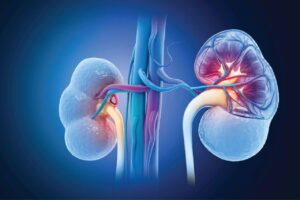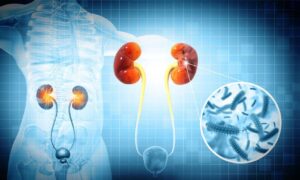


Kidney transplantation is the gold standard treatment for end-stage kidney disease, significantly improving patient survival and quality of life. However, transplant patients require immunosuppression to prevent rejection, which increases the risk of infections. Viral infections are a major cause of complications, affecting graft function and patient outcomes.
This review summarizes key viruses that impact kidney transplant recipients, including cytomegalovirus, polyoma virus, Epstein–Barr virus, varicella zoster virus, adenovirus, and hepatitis B and C, along with emerging viruses. It highlights their epidemiology, diagnostic challenges, screening approaches, and antiviral treatments.
Managing the balance between preventing rejection and controlling infections remains a major challenge for transplant physicians, especially with changing viral patterns, antimicrobial resistance, and limitations in current screening methods.
Cytomegalovirus (CMV) is a common double-stranded DNA virus that remains latent after initial infection and can reactivate in immunocompromised individuals, especially kidney transplant recipients. CMV infection occurs in 50–90% of transplant patients, with the highest risk in seropositive donor to seronegative recipient (D+/R−) combinations.
CMV can affect the transplanted kidney and weaken immune responses, particularly due to immunosuppressive therapy after transplantation. Screening is usually done through PCR-based viral load testing, with regular monitoring during the first six months after transplant.
Clinically, CMV infection may be asymptomatic, present as CMV syndrome (fever, malaise, cytopenia), or cause organ-invasive disease such as nephritis or hepatitis. It may also increase the risk of graft rejection and other infections.
Prevention and treatment involve antiviral medications such as valganciclovir or ganciclovir, typically given for 3–6 months as prophylaxis or until viral replication stops in active infection. In resistant cases, alternative drugs like foscarnet may be used.
Epstein–Barr Virus (EBV) is a common virus that causes infectious mononucleosis but is particularly important in kidney transplant recipients due to its link with post-transplant lymphoproliferative disorder (PTLD), a serious complication. EBV infection is widespread, with about 90–95% of adults showing prior exposure. The highest PTLD risk occurs in EBV-negative recipients receiving organs from EBV-positive donors (D+/R−).
EBV primarily infects B lymphocytes and can remain latent in the body. In transplant patients, immunosuppression weakens T-cell control, allowing uncontrolled B-cell growth that may lead to PTLD.
Screening includes serological tests (VCA IgG, IgM, EBNA IgG) before transplantation and PCR-based viral load monitoring after transplant. EBV infection may remain asymptomatic but can progress to PTLD.
Management mainly involves reducing immunosuppression and treating PTLD with rituximab, sometimes combined with chemotherapy (R-CHOP). Newer approaches such as EBV-specific T-cell therapy and targeted immunotherapies are being explored for resistant cases.
BK polyomavirus (BKV) affects about 5–10% of kidney transplant recipients and can lead to graft failure in up to 50% of untreated cases. The infection typically progresses from viruria (virus in urine) to viraemia (virus in blood) and eventually to BK virus–associated nephropathy (BKVAN).
The virus usually remains latent in kidney cells after childhood infection, but immunosuppression after transplantation can trigger its reactivation. Most cases occur within the first six months after transplant.
Screening is done using PCR testing of urine and plasma, usually monthly during the first year after transplantation. Diagnosis of BKV nephropathy is confirmed through kidney biopsy.
The main treatment is reducing immunosuppressive therapy, which clears the virus in 60–80% of cases, though it carries a risk of rejection. Additional therapies such as leflunomide, cidofovir, IV immunoglobulin, or experimental treatments like virus-specific T cells may be used in resistant cases.
Adenovirus usually causes mild infections of the respiratory tract, gastrointestinal tract, or eyes, but in kidney transplant recipients with weakened immunity, it can lead to severe disease such as pneumonia, haemorrhagic cystitis, and graft dysfunction.
Adenovirus is a double-stranded DNA virus with multiple serotypes and spreads mainly through respiratory droplets or ocular secretions. In transplant patients, infection can cause inflammation and tissue damage.
Diagnosis is mainly done using PCR testing, which detects the virus in blood or other samples. Kidney biopsy may confirm invasive disease. Routine screening in asymptomatic transplant patients is not recommended.
Treatment mainly involves supportive care and reduction of immunosuppression. Antiviral drugs such as cidofovir may be used in severe cases, although they carry risks like nephrotoxicity, and no specific antiviral therapy is currently approved for adenovirus infection.
Parvovirus B19 is a small single-stranded DNA virus best known for causing fifth disease in children. In kidney transplant recipients, it most commonly causes anaemia, but it can also lead to pancytopenia, hepatitis, myocarditis, neurological complications, and graft dysfunction.
The virus infects erythroid progenitor cells in the bone marrow, destroying them and reducing red blood cell production. Diagnosis is mainly done through PCR testing, which detects viral DNA in blood or bone marrow.
There is no routine screening recommendation for transplant recipients. Treatment primarily involves reducing immunosuppression and administering intravenous immunoglobulin (IVIg). However, relapse can occur, so patients require ongoing monitoring of haemoglobin levels and symptoms.
Sapovirus is a single-stranded RNA virus that causes acute gastroenteritis, particularly diarrhoeal illness in children. In most healthy adults, the infection is self-limiting, but it can be more severe and prolonged in kidney transplant recipients due to weakened immunity.
The virus spreads through the faecal–oral route and is diagnosed using stool PCR testing. Symptoms typically include watery diarrhoea, nausea, vomiting, and abdominal cramps, and in transplant patients it may lead to chronic gastroenteritis and worsening kidney function.
There is no specific antiviral treatment or vaccine for sapovirus. Management is mainly supportive care and maintaining hygiene, while nitazoxanide is being explored as a potential treatment in some cases.
Human Papillomavirus (HPV) is the most common sexually transmitted infection worldwide, with a lifetime risk of 50–100% in the general population. The risk is higher in kidney transplant recipients due to immunosuppression.
HPV is a DNA virus with high-risk types (HPV 16 and 18) linked to cancers such as cervical, anal, and oropharyngeal cancer, and low-risk types (HPV 6 and 11) causing warts. Transmission occurs through sexual contact, vertical transmission, or direct contact.
In transplant patients, HPV can cause cutaneous warts, anogenital warts, and premalignant or malignant lesions. Regular cervical screening and HPV testing are recommended more frequently after transplantation.
Management includes HPV vaccination, local treatment of lesions (topical therapy, cryotherapy, or surgical removal), and review of immunosuppression. Prevention through vaccination and regular screening is essential to reduce HPV-related complications.
Hepatitis B is a major cause of chronic liver disease and liver cancer worldwide and is more common in patients undergoing haemodialysis due to repeated blood exposure. In kidney transplantation, HBV management includes prevention, monitoring for reactivation, and use of infected donor organs under extended donor criteria.
HBV is a partially double-stranded DNA virus transmitted through blood or from mother to child. Screening before transplantation includes tests for HBsAg, anti-HBs, and anti-HBc in recipients and donors.
After transplantation, HBV may remain asymptomatic or lead to hepatitis, cirrhosis, or kidney-related complications.
Management involves antiviral therapy, especially in patients with current or previous infection. Common treatments include entecavir and tenofovir. HBV vaccination is recommended early in chronic kidney disease management, ideally before dialysis or transplantation, to reduce infection risk.
Hepatitis C (HCV) is a common chronic viral infection, affecting about 1% of the general population and 3–14% of patients with chronic kidney disease. The introduction of direct-acting antivirals (DAAs) has significantly improved treatment and transplant outcomes.
HCV is an RNA virus transmitted through blood exposure, including haemodialysis, blood transfusion, or transplantation. Screening for transplant candidates involves HCV antibody testing followed by HCV RNA testing.
In kidney transplant recipients, HCV can cause acute rejection, chronic graft dysfunction, diabetes after transplantation, and liver complications such as cirrhosis or liver cancer.
Treatment with DAA therapies is recommended for patients with CKD, those on dialysis, and transplant recipients. These antiviral drugs are highly effective, but careful monitoring is required due to drug interactions with immunosuppressive medications.
Research on viral infections in kidney transplantation has several limitations. Much of the current evidence comes from observational or single-centre studies rather than large clinical trials, leading to variability in screening methods, viral load thresholds, and treatment strategies for viruses such as CMV, EBV, and BK virus. Rare viral infections like adenovirus, parvovirus B19, and sapovirus are mostly reported through case studies, making it difficult to accurately assess their impact and best management practices.
Future priorities include multicentre clinical trials, improved screening protocols, and development of new antiviral therapies to better manage viral infections in transplant patients.
Overall, while kidney transplantation improves survival, it increases the risk of viral infections that can affect graft function and patient health. Early screening, timely diagnosis, and multidisciplinary management are essential to prevent complications and improve transplant outcomes.
- Al Atbee, M.Y.N.; Tuama, H.S. Cytomegalovirus infection after renal transplantation. J. Med. Life 2022, 15, 71–77.
- De Keyzer, K.; Van Laecke, S.; Peeters, P.; Vanholder, R. Human Cytomegalovirus and Kidney Transplantation: A Clinician’s Update. Am. J. Kidney Dis. 2011, 58, 118–126.
- Ho, M. The history of cytomegalovirus and its diseases. Med. Microbiol. Immunol. 2008, 197, 65–73.
- Riley, H.D. History of the Cytomegalovirus. South. Med. J. 1997, 90, 184–190.
- Hidaka, S.; Tanabe, K.; Kobayashi, S. Incidence of cytomegalovirus infection after kidney transplantation in the modern era of immunosuppression: The VINTAGE study. Ren. Fail. 2025, 47, 2491658.
- Huh, K.; Lee, S.-O.; Kim, J.; Lee, S.J.; Choe, P.G.; Kang, J.-M.; Yang, J.; Sung, H.; Kim, S.-H.; Moon, C.; et al. Prevention of Cytomegalovirus Infection in Solid Organ Transplant Recipients: Guidelines by the Korean Society of Infectious Diseases and the Korean Society for Transplantation. Infect. Chemother. 2024, 56, 101–121.
- Sułowicz, W.; Ignacak, E.; Kużniewski, M.; Szymczakiewicz-Multanowska, A.; Zawilińska, B.; Kryczko, E.; Rojek-Zakrzewska, D.; Zgórniak-Nowosielska, I. Cytomegalovirus infection in Kidney Transplant Patients: Clinical Manifestations and Diagnosis. Zentralblatt Bakteriol. 1998, 287, 489–500.
- Ishikawa, S.; Tasaki, M.; Saito, K.; Nakagawa, Y.; Ikeda, M.; Takahashi, K.; Tomita, Y. Long-term CMV monitoring and chronic rejection in renal transplant recipients. Front. Cell. Infect. Microbiol. 2023, 13, 1190794.
- Ross, S.A.; Novak, Z.; Pati, S.; Boppana, S.B. Diagnosis of Cytomegalovirus Infections. Infect. Disord. Drug Targets 2011, 11, 466–474.
- Pour-Reza-Gholi, F.; Labibi, A.; Farrokhi, F.; Nafar, M.; Firouzan, A.; Einollahi, B. Signs and symptoms of cytomegalovirus disease in kidney transplant recipients. Transplant. Proc. 2005, 37, 3056–3058.
- Kotton, C.N.; Kumar, D.; Manuel, O.; Chou, S.; Hayden, R.T.; Danziger-Isakov, L.; Asberg, A.; Tedesco-Silva, H.; Humar, A. The Fourth International Consensus Guidelines on the Management of Cytomegalovirus in Solid Organ Transplantation. Transplantation 2025, 109, 1066–1110.
- Allen, U.; Alfieri, C.; Preiksaitis, J.; Humar, A.; Moore, D.; Tapiero, B.; Tellier, R.; Green, M.; Davies, D.; Hébert, D.; et al. Epstein-Barr Virus Infection in Transplant Recipients: Sumary of a Workshop on Surveillance, Prevention and Treatment. Can. J. Infect. Dis. 2002, 13, 89–99.
- Yu, H.; Robertson, E.S. Epstein–Barr Virus History and Pathogenesis. Viruses 2023, 15, 714.
- Young, L.S.; Yap, L.F.; Murray, P.G. Epstein-Barr virus: More than 50 years old and still providing surprises. Nat. Rev. Cancer 2016, 16, 789–802.
- Potluri, V.S.; Zhang, S.; Schaubel, D.E.; Shaikhouni, S.; Blumberg, E.A.; Nasta, S.D.; Bloom, R.D.; Cruz-Peralta, M.; Mehta, R.B.; Lavu, N.R.; et al. The Association of Epstein–Barr Virus Donor and Recipient Serostatus with Outcomes After Kidney Transplantation: A Retrospective Cohort Study. Ann. Intern. Med. 2025, 178, 157–166.
- Yao, Y.; Kong, W.; Yang, L.; Ding, Y.; Cui, H. Immunity and Immune Evasion Mechanisms of Epstein–Barr Virus. Viral Immunol. 2023, 36, 303–317.
- Silva, J.d.M.; Alves, C.E.d.C.; Pontes, G.S. Epstein-Barr virus: The mastermind of immune chaos. Front. Immunol. 2024, 15, 1297994.
- Yamada, M.; L’Huillier, A.G.; Green, M. A Focused Review of Epstein-Barr Virus Infections and PTLD in Pediatric Transplant Recipients: Guidance from the IPTA and ECIL Guidelines. J. Pediatr. Infect. Dis. Soc. 2024, 13, S31–S38.
- Rampersad, C.; Wiebe, C.; Balshaw, R.; Bullard, J.; Cortes Villalobos, A.P.; Trachtenberg, A.; Shaw, J.; Karpinski, M.; Goldberg, A.; Birk, P.; et al. Epidemiology of Epstein-Barr Virus Chronic High Viral Load in Kidney Transplant Recipients. Transplant. Direct 2024, 10, e1579.
- Tsai, D.E.; Douglas, L.; Andreadis, C.; Vogl, D.T.; Arnoldi, S.; Kotloff, R.; Svoboda, J.; Bloom, R.D.; Olthoff, K.M.; Brozena, S.C.; et al. EBV PCR in the diagnosis and monitoring of posttransplant lymphoproliferative disorder: Results of a two-arm prospective trial. Am. J. Transplant. 2008, 8, 1016–1024.
- Gross, T.G.; Orjuela, M.A.; Perkins, S.L.; Park, J.R.; Lynch, J.C.; Cairo, M.S.; Smith, L.M.; Hayashi, R.J. Low-dose chemotherapy and rituximab for post-transplant lymphoproliferative disease (PTLD): A Children’s Oncology Group report. Am. J. Transplant. 2012, 12, 3069–3075.
- EBPG Expert Group on Renal Transplantation. European best practice guidelines for renal transplantation. Section IV: Long-term management of the transplant recipient. IV.6.1. Cancer risk after renal transplantation. Post-transplant lymphoproliferative disease (PTLD): Prevention and treatment. Nephrol. Dial. Transplant. 2002, 17, 31–33+35–36.
- Zimmermann, H.; Trappe, R.U. Therapeutic options in post-transplant lymphoproliferative disorders. Ther. Adv. Hematol. 2011, 2, 393–407.
- Styczyński, J.; Pogorzała, M.; Sadlok, J.; Woźniak, M. Tabelecleucel: A new therapeutic option in refractory EBV-PTLD. Acta Haematol. Pol. 2024, 55, 202–208.
- Kant, S.; Dasgupta, A.; Bagnasco, S.; Brennan, D.C. BK Virus Nephropathy in Kidney Transplantation: A State-of-the-Art Review. Viruses 2022, 14, 1616.
- Bohl, D.L.; Brennan, D.C. BK virus nephropathy and kidney transplantation. Clin. J. Am. Soc. Nephrol. 2007, 2, S36–S46.
- Liu, Y.; Kong, C.; Hu, H.; Zhang, Y.; Wang, T.; Qiu, T.; Zhou, J. Risk factors for BK virus infection in DCD donor kidney transplant recipients. Front. Med. 2023, 10, 1181743.
- Brochot, E.; Demey, B.; Aubry, A.; Descamps, V.; Morel, V.; Presne, C.; Brazier, F.; Helle, F. Epidemiology and Dynamics of BK Polyomavirus Replication after Kidney Transplantation. Pathogens 2024, 13, 315.
- Gorriceta, J.H.; Lopez Otbo, A.; Uehara, G.; Posadas Salas, M.A. BK viral infection: A review of management and treatment. World J. Transplant. 2023, 13, 309–320.
- IARC Working Group on the Evaluation of Carcinogenic Risks to Humans. Introduction to Polyomaviruses. In Malaria and Some Polyomaviruses (SV40, BK, JC, and Merkel Cell Viruses); International Agency for Research on Cancer: Lyon, France, 2013.
- Cook, L. Polyomaviruses. Microbiol. Spectr. 2016, 4, 197–216.
- Kant, S.; Bromberg, J.; Haas, M.; Brennan, D. Donor-derived Cell-free DNA and the Prediction of BK Virus-associated Nephropathy. Transplant. Direct 2020, 6, e622.
- Rana, A.; Bansal, S.B.; Kotton, C.N.; Mahapatra, A.K.; Rana, A.; Sethi, S.K.; Jha, P.K.; Gadde, A.B.; Jain, M.; Yadav, D.K.; et al. The Prevalence and Outcomes of BK Polyoma Virus Nephropathy in Living Donor Kidney Transplant Recipients. Indian J. Nephrol. 2025, 35, 343–348.
- Höcker, B.; Schneble, L.; Murer, L.; Carraro, A.; Pape, L.; Kranz, B.; Oh, J.; Zirngibl, M.; Dello Strologo, L.; Büscher, A.; et al. Epidemiology of and Risk Factors for BK Polyomavirus Replication and Nephropathy in Pediatric Renal Transplant Recipients: An International CERTAIN Registry Study. Transplantation 2019, 103, 1224–1233.
- Vera-Sempere, F.J.; Rubio, L.; Moreno-Baylach, M.J.; García, A.; Prieto, M.; Camañas, A.; Mayordomo, F.; Sánchez-Plumed, J.; Beneyto, I.; Ramos, D.; et al. Polymerase chain reaction detection of BK virus and monitoring of BK nephropathy in renal transplant recipients at the University Hospital La Fe. Transplant. Proc. 2005, 37, 3770–3773.
- Nesselhauf, N.; Strutt, J.; Bastani, B. Evaluation of leflunomide for the treatment of BK viremia and biopsy proven BK nephropathy; a single center experience. J. Nephropathol. 2015, 5, 34–37.
- Ai, L.; Zhao, Y.; Tan, C.; Bai, L.; Huang, G.; Wang, R.; Huang, H.; Yu, X.; Guo, Y.; Chen, P. Development of a droplet digital PCR assay for the detection of BK polyomavirus. Microbiol. Spectr. 2024, 12, e01089-24.
- Gu, Z.; Pan, J.; Bankowski, M.J.; Hayden, R.T. Quantitative real-time polymerase chain reaction detection of BK virus using labeled primers. Arch. Pathol. Lab. Med. 2010, 134, 444–448.
- Araya, C.E.; Garin, E.H.; Neiberger, R.E.; Dharnidharka, V.R. Leflunomide therapy for BK virus allograft nephropathy in pediatric and young adult kidney transplant recipients. Pediatr. Transplant. 2010, 14, 145–150.
- Kho, M.M.L.; Roest, S.; Bovée, D.M.; Metselaar, H.J.; Hoek, R.A.S.; van der Eijk, A.A.; Manintveld, O.C.; Roodnat, J.I.; van Besouw, N.M. Herpes Zoster in Solid Organ Transplantation: Incidence and Risk Factors. Front. Immunol. 2021, 12, 645718.
- Arness, T.; Pedersen, R.; Dierkhising, R.; Kremers, W.; Patel, R. Varicella zoster virus-associated disease in adult kidney transplant recipients: Incidence and risk-factor analysis. Transpl. Infect. Dis. 2008, 10, 260–268.
- Kırnap, M.; Akdur, A.; Ayvazoğlu Soy, H.E.; Arslan, H.; Yıldırım, S.; Moray, G.; Haberal, M. Prevalence and outcome of herpes zoster infection in renal transplant recipients. Exp. Clin. Transplant. 2015, 13, 280–283.
- Hanna, R.M.; Abd-El-Malak, F.; Alnaser, A.; Cader, R.; Yabu, J.M. Herpes Zoster in Kidney Transplant Recipients: A Series of Three Cases. Case Rep. Nephrol. Dial. 2020, 10, 139–146.
- Adam, A.A.N.; Mohamed, A.H.; Jeele, M.O.O. A case of varicella zoster infection in kidney transplant recipient using immunosuppressant. Clin. Case Rep. 2023, 11, e7820.
- Wang, D.; Wang, J.-Q.; Tao, X.-G. Fatal visceral disseminated varicella-zoster virus infection in a renal transplant recipient: A case report. World J. Clin. Cases 2021, 9, 9168–9173.
- Wood, M.J. History of Varicella Zoster Virus. Herpes 2000, 7, 60–65.
- Breuer, J.; Whitley, R. Varicella zoster virus: Natural history and current therapies of varicella and herpes zoster. Herpes 2007, 14, 25–29.
- Pavlopoulou, I.D.; Poulopoulou, S.; Melexopoulou, C.; Papazaharia, I.; Zavos, G.; Boletis, I.N. Incidence and risk factors of herpes zoster among adult renal transplant recipients receiving universal antiviral prophylaxis. BMC Infect. Dis. 2015, 15, 285.
- Gershon, A.A.; Gershon, M.D. Pathogenesis and Current Approaches to Control of Varicella-Zoster Virus Infections. Clin. Microbiol. Rev. 2013, 26, 728–743.
- Eshleman, E.; Shahzad, A.; Cohrs, R.J. Varicella zoster virus latency. Future Virol. 2011, 6, 341–355.
- Kaul, A.; Sharma, R.K.; Bhadhuria, D.; Gupta, A.; Prasad, N. Chickenpox infection after renal transplantation. Clin. Kidney J. 2012, 5, 203–206.
- Viganò, M.; Beretta, M.; Lepore, M.; Abete, R.; Benatti, S.V.; Grassini, M.V.; Camagni, S.; Chiodini, G.; Vargiu, S.; Vittori, C.; et al. Vaccination Recommendations in Solid Organ Transplant Adult Candidates and Recipients. Vaccines 2023, 11, 1611.
- Shingrix Vaccine for Kidney Transplant Recipients. Recruiting Participants for Phase Phase 3 Clinical Trial 2025. Power. Available online: https://www.withpower.com/trial/shingrix-vaccine-for-kidney-transplant-recipients-e84dc (accessed on 8 October 2025).
- Devin, A.; Renoult, E.; Roger, M.; Hébert, M.-J. Herpes Zoster in Kidney Transplant Recipients: Detection of VZV DNA in Blood During the Prodromal Phase. Transplant. Direct 2018, 4, e351.
- Takahashi, Y.; Hara, S.; Hoshiba, R.; Hibino, S.; Ito, K.; Zoshima, T.; Suzuki, Y.; Inoue, D.; Mizushima, I.; Fujii, H.; et al. Pneumonia and central nervous system infection caused by reactivation of varicella-zoster virus in a living-donor kidney transplantation patient: Case report and review of the literature. CEN Case Rep. 2021, 10, 370–377.
- Fei, N.; Shah, N.; Cumpston, A.; Wen, S.; Ross, K.G.; Craig, M.; Kanate, A.S. Low-Dose Acyclovir Prophylaxis for Varicella zoster Reactivation in Autologous Hematopoietic Cell Transplantation Recipients. Clin. Hematol. Int. 2019, 1, 101–104.
- Zuckerman, R.A.; Limaye, A.P. Varicella Zoster Virus (VZV) and Herpes Simplex Virus (HSV) in Solid Organ Transplant Patients. Am. J. Transplant. 2013, 13, 55–66.
- Sahoo, F.; Hill, J.A.; Xie, H.; Leisenring, W.; Yi, J.; Goyal, S.; Kimball, L.E.; Lee, I.; Seo, S.; Davis, C.; et al. Herpes Zoster in Autologous Hematopoietic Cell Transplant Recipients in the Era of Acyclovir or Valacyclovir Prophylaxis and Novel Treatment and Maintenance Therapies. Biol. Blood Marrow Transplant. 2017, 23, 505–511.
- Lynch, J.P., 3rd; Kajon, A.E. Adenovirus: Epidemiology, Global Spread of Novel Serotypes, and Advances in Treatment and Prevention. Semin. Respir. Crit. Care Med. 2016, 37, 586–602.
- Russell, W\.C. Adenoviruses: Update on structure and function. J. Gen. Virol. 2009, 90, 1–20.
- Liang, Y.; Wei, J.; Shen, J.; Liang, Z.; Ma, X.; Du, Y.; Qian, W.; Dong, H.; Huang, P.; Chen, A.; et al. Immunological pathogenesis and treatment progress of adenovirus pneumonia in children. Ital. J. Pediatr. 2025, 51, 4.
- Greber, U.F. Adenoviruses—Infection, pathogenesis and therapy. FEBS Lett. 2020, 594, 1818–1827.
- Lion, T. Adenovirus infections in immunocompetent and immunocompromised patients. Clin. Microbiol. Rev. 2014, 27, 441–462.
- Watcharananan, S.P.; Avery, R.; Ingsathit, A.; Malathum, K.; Chantratita, W.; Mavichak, V.; Chalermsanyakorn, P.; Jirasiritham, S.; Sumethkul, V. Adenovirus disease after kidney transplantation: Course of infection and outcome in relation to blood viral load and immune recovery. Am. J. Transplant. 2011, 11, 1308–1314.
- Leruez-Ville, M.; Minard, V.; Lacaille, F.; Buzyn, A.; Abachin, E.; Blanche, S.; Freymuth, F.; Rouzioux, C. Real-time blood plasma polymerase chain reaction for management of disseminated adenovirus infection. Clin. Infect. Dis. 2004, 38, 45–52.
- Florescu, D.F.; Schaenman, J.M. Adenovirus in solid organ transplant recipients: Guidelines from the American Society of Transplantation Infectious Diseases Community of Practice. Clin. Transplant. 2019, 33, e13527.
- Lusco, M.A.; Fogo, A.B.; Najafian, B.; Alpers, C.E. AJKD Atlas of Renal Pathology: Adenovirus Infection. Am. J. Kidney Dis. 2018, 71, e1–e2.
- Yagisawa, T.; Takahashi, K.; Yamaguchi, Y.; Teraoka, S.; Horita, S.; Toma, H.; Agishi, T.; Ota, K. Adenovirus induced nephropathy in kidney transplant recipients. Transplant. Proc. 1989, 21, 2097–2099.
- Ison, M.G. Adenovirus infections in transplant recipients. Clin. Infect. Dis. 2006, 43, 331–339.
- Hatlen, T.; Mroch, H.; Tuttle, K.; Ojogho, O.; Rooney, M.; Desmond, S.; Bani-Hani, S. Disseminated Adenovirus Nephritis After Kidney Transplantation. Kidney Int. Rep. 2018, 3, 19–23.
- Hoffman, J.A. Adenovirus infections in solid organ transplant recipients. Curr. Opin. Organ. Transplant. 2009, 14, 625–633.
- Liu, M.; Worley, S.; Arrigain, S.; Aurora, P.; Ballmann, M.; Boyer, D.; Conrad, C.; Eichler, I.; Elidemir, O.; Goldfarb, S.; et al. Respiratory viral infections within one year after pediatric lung transplant. Transpl. Infect. Dis. 2009, 11, 304–312.
- Al-Heeti, O.M.; Cathro, H.P.; Ison, M.G. Adenovirus Infection and Transplantation. Transplantation 2022, 106, 920–927.
- de Mezerville, M.H.; Tellier, R.; Richardson, S.; Hébert, D.; Doyle, J.; Allen, U. Adenoviral infections in pediatric transplant recipients: A hospital-based study. Pediatr. Infect. Dis. J. 2006, 25, 815–818.
- Dodge, M.J.; MacNeil, K.M.; Tessier, T.M.; Weinberg, J.B.; Mymryk, J.S. Emerging antiviral therapeutics for human adenovirus infection: Recent developments and novel strategies. Antivir. Res. 2021, 188, 105034.
- Lenaerts, L.; Naesens, L. Antiviral therapy for adenovirus infections. Antivir. Res. 2006, 71, 172–180.
- Lankester, A.C.; Heemskerk, B.; Claas, E.C.J.; Schilham, M.W.; Beersma, M.F.C.; Bredius, R.G.M.; van Tol, M.J.D.; Kroes, A.C.M. Effect of ribavirin on the plasma viral DNA load in patients with disseminating adenovirus infection. Clin. Infect. Dis. 2004, 38, 1521–1525.
- Shetty, A.K.; Gans, H.A.; So, S.; Millan, M.T.; Arvin, A.M.; Gutierrez, K.M. Intravenous ribavirin therapy for adenovirus pneumonia. Pediatr. Pulmonol. 2000, 29, 69–73.
- Ljungman, P. Treatment of adenovirus infections in the immunocompromised host. Eur. J. Clin. Microbiol. Infect. Dis. 2004, 23, 583–588.
- Grimley, M.; Maron, G.; Gomez, C.A.; Prasad, V.K.; Dara, J.; Papanicolaou, G.A.; Fukushima, K.; Wynn, R.F.; Boeckh, M. Preliminary Results of a Phase 2a Clinical Trial to Evaluate Safety, Tolerability and Antiviral Activity of Intravenous Brincidofovir (BCV IV) in Immunocompromised Patients with Adenovirus Infection. Blood 2023, 142, 112.
- Rogo, L.D.; Mokhtari-Azad, T.; Kabir, M.H.; Rezaei, F. Human parvovirus B19: A review. Acta Virol. 2014, 58, 199–213.
- Thurn, J. Human parvovirus B19: Historical and clinical review. Rev. Infect. Dis. 1988, 10, 1005–1011.
- Eid, A.J.; Chen, S.F. Human parvovirus B19 in solid organ transplantation. Am. J. Transplant. 2013, 13, 201–205.
- Lee, P.C.; Hung, C.J.; Lin, Y.J.; Wang, J.R.; Jan, M.S.; Lei, H.Y. A role for chronic parvovirus B19 infection in liver dysfunction in renal transplant recipients? Transplantation 2002, 73, 1635–1639.
- Liefeldt, L.; Plentz, A.; Klempa, B.; Kershaw, O.; Endres, A.; Raab, U.; Neumayer, H.; Meisel, H.; Modrow, S. Recurrent high level parvovirus B19/genotype 2 viremia in a renal transplant recipient analyzed by real-time PCR for simultaneous detection of genotypes 1 to 3. J. Med. Virol. 2005, 75, 161–169.
- Waldman, M.; Kopp, J.B. Parvovirus B19 and the kidney. Clin. J. Am. Soc. Nephrol. 2007, 2, S47–S56.
- Eid, A.J.; Brown, R.A.; Patel, R.; Razonable, R.R. Parvovirus B19 infection after transplantation: A review of 98 cases. Clin. Infect. Dis. 2006, 43, 40–48.
- Mossong, J.; Hens, N.; Friederichs, V.; Davidkin, I.; Broman, M.; Litwinska, B.; Siennicka, J.; Trzcinska, A.; VAN Damme, P.; Beutels, P.; et al. Parvovirus B19 infection in five European countries: Seroepidemiology, force of infection and maternal risk of infection. Epidemiol. Infect. 2008, 136, 1059–1068.
- Anderson, M.J.; Higgins, P.G.; Davis, L.R.; Willman, J.S.; Jones, S.E.; Kidd, I.M.; Pattison, J.R.; Tyrrell, D.A.J. Experimental parvoviral infection in humans. J. Infect. Dis. 1985, 152, 257–265.
- Ekman, A.; Hokynar, K.; Kakkola, L.; Kantola, K.; Hedman, L.; Bondén, H.; Gessner, M.; Aberham, C.; Norja, P.; Miettinen, S.; et al. Biological and immunological relations among human parvovirus B19 genotypes 1 to 3. J. Virol. 2007, 81, 6927–6935.
- Manaresi, E.; Gallinella, G.; Zuffi, E.; Bonvicini, F.; Zerbini, M.; Musiani, M. Diagnosis and quantitative evaluation of parvovirus B19 infections by real-time PCR in the clinical laboratory. J. Med. Virol. 2002, 67, 275–281.
- Grabarczyk, P.; Kalińska, A.; Kara, M.; Wieczorek, R.; Ejduk, A.; Sulkowska, E.; Gołębiowska-Staroszczyk, S.; Matysiak, M.; Baylis, S.A.; Brojer, E. Identification and characterization of acute infection with parvovirus B19 genotype 2 in immunocompromised patients in Poland. J. Med. Virol. 2011, 83, 142–149.
- Cassinotti, P.; Siegl, G. Quantitative evidence for persistence of human parvovirus B19 DNA in an immunocompetent individual. Eur. J. Clin. Microbiol. Infect. Dis. 2000, 19, 886–887.
- Bruu, A.L.; Nordbø, S.A. Evaluation of five commercial tests for detection of immunoglobulin M antibodies to human parvovirus B19. J. Clin. Microbiol. 1995, 33, 1363–1365.
- Ardalan, M.R.; Shoja, M.M.; Tubbs, R.S.; Esmaili, H.; Keyvani, H. Postrenal transplant hemophagocytic lymphohistiocytosis and thrombotic microangiopathy associated with parvovirus b19 infection. Am. J. Transplant. 2008, 8, 1340–1344.
- Barsoum, N.R.; Bunnapradist, S.; Mougdil, A.; Toyoda, M.; Vo, A.; Jordan, S.C. Treatment of parvovirus B-19 (PV B-19) infection allows for successful kidney transplantation without disease recurrence. Am. J. Transplant. 2002, 2, 425–428.
- Zolnourian, Z.R.; Curran, M.D.; Rima, B.K.; Coyle, P.V.; O’Neill, H.J.; Middleton, D. Parvovirus B19 in kidney transplant patients. Transplantation 2000, 69, 2198–2202.
- Rosado-Canto, R.; Carrillo-Pérez, D.L.; Jiménez, J.V.; Cuellar-Rodríguez, J.; Parra-Avila, I.; Alberú, J.; Morales-Buenrostro, L.E. Treatment Strategies and Outcome of Parvovirus B19 Infection in Kidney Transplant Recipients: A Case Series and Literature Review of 128 Patients. Rev. Investig. Clin. 2019, 71, 265–274.
- Eid, A.J.; Ardura, M.I. Human parvovirus B19 in solid organ transplantation: Guidelines from the American society of transplantation infectious diseases community of practice. Clin. Transplant. 2019, 33, e13535.
- Chiba, S.; Sakuma, Y.; Kogasaka, R.; Akihara, M.; Horino, K.; Nakao, T.; Fukui, S. An outbreak of gastroenteritis associated with calicivirus in an infant home. J. Med. Virol. 1979, 4, 249–254.
- Madeley, C.R.; Cosgrove, B.P. Caliciviruses in Man. Lancet 1976, 307, 199–200.
- Rouhani, S.; Yori, P.P.; Olortegui, M.P.; Lima, A.A.; Ahmed, T.; Mduma, E.R.; George, A.; Samie, A.; Svensen, E.; Lima, I.; et al. The Epidemiology of Sapovirus in the Etiology, Risk Factors, and Interactions of Enteric Infection and Malnutrition and the Consequences for Child Health and Development Study: Evidence of Protection Following Natural Infection. Clin. Infect. Dis. 2022, 75, 1334–1341.
- Diez Valcarce, M.; Kambhampati, A.K.; Calderwood, L.E.; Hall, A.J.; Mirza, S.A.; Vinjé, J. Global distribution of sporadic sapovirus infections: A systematic review and meta-analysis. PLoS ONE 2021, 16, e0255436.
- Rippl, M.; Burkhard-Meier, A.; Schönermarck, U.; Fischereder, M. Sapovirus: An emerging pathogen in kidney transplant recipients? Infection 2024, 52, 1831–1838.
- Roos-Weil, D.; Ambert-Balay, K.; Lanternier, F.; Mamzer-Bruneel, M.-F.; Nochy, D.; Pothier, P.; Avettand-Fenoel, V.; Anglicheau, D.; Snanoudj, R.; Bererhi, L.; et al. Impact of norovirus/sapovirus-related diarrhea in renal transplant recipients hospitalized for diarrhea. Transplantation 2011, 92, 61–69.
- Uysal, E.; Dokur, M.; Bakir, H.; Ikidag, M.A.; Kirdak, T.; Kazimoglu, H. The Reasons of Renal Transplant Recipients’ Admission to the Emergency Department; a Case Series Study. Emergancy 2016, 4, 207–210.
- Andrews, R.; Samad, M.S.A.; Chimtalapudi, T.; Ramesh, V.; Ali, M.A. Sapovirus-Associated Diarrhea in Renal Transplant Patient Treated Without Altering Immunosuppression. Indian J. Nephrol. 2025, 35, 101–103.
- Ghusson, N.; Vasquez, G. Successfully Treated Norovirus- and Sapovirus-Associated Diarrhea in Three Renal Transplant Patients. Case Rep. Infect. Dis. 2018, 2018, 6846873.
- Wright, S.; Kleven, D.; Kapoor, R.; Kavuri, S.; Gani, I. Recurring Norovirus & Sapovirus Infection in a Renal Transplant Patient. IDCases 2020, 20, e00776.
- Ladnyj, I.D.; Ziegler, P.; Kima, E. A human infection caused by monkeypox virus in Basankusu Territory, Democratic Republic of the Congo. Bull. World Health Organ. 1972, 46, 593–597.
- Mpox (Monkeypox)—Democratic Republic of the Congo. Available online: https://www.who.int/emergencies/disease-outbreak-news/item/2023-DON493 (accessed on 13 August 2025).
- Bogacka, A.; Wroczynska, A.; Rymer, W.; Grzesiowski, P.; Kant, R.; Grzybek, M.; Parczewski, M. Mpox unveiled: Global epidemiology, treatment advances, and prevention strategies. One Health 2025, 20, 101030.
- Higgins, E.; Ranganath, N.; Mehkri, O.; Majeed, A.; Walker, J.; Spivack, S.; Bhaimia, E.; Benamu, E.; Hand, J.; Keswani, S.; et al. Clinical features, treatment, and outcomes of mpox in solid organ transplant recipients: A multicenter case series and literature review. Am. J. Transplant. 2023, 23, 1972–1979.
- Azzam, A.; Khaled, H.; Salem, H.; Ahmed, A.; Heniedy, A.M.; Hassan, H.S.; Hassan, A.; El-Mahdy, T.S. The impact of immunosuppression on the mortality and hospitalization of Monkeypox: A systematic review and meta-analysis of the 2022 outbreak. Virol. J. 2024, 21, 130.
- Menéndez García, N.; Mazón Ruiz, J.; de la Fuente Villaverde, I.; Bravo González-Blas, L. Severe monkeypox infection in a kidney transplant patient. Nefrol. (Engl. Ed.) 2023, 43, 124–125.
- Colina-García, J.F.; Caso, J.M.; González-García, C.; Folgueira, M.D.; Hernández, A.M.; Auñón, P.; Andrés, A.; Cavero, T.; López-Medrano, F.; Morales, E. Severe Presentation of Mpox with Skin, Lung and Pleural Involvement in a Non–HIV-Infected Kidney Transplant Recipient. Am. J. Kidney Dis. 2024, 84, 655–659.
- Attieh, R.M.; Brumble, L.; Elwasila, S.M.; Wadei, H.M. Disseminated Monkeypox Infection in a Kidney Transplant Recipient: A Case Report. Transplant. Proc. 2023, 55, 667–671.
- Fuller, R.; Cederroth, T.; Patel, G.; Reidy, J.; Patiño, L.H.; Ramírez, J.D.; Bassily-Marcus, A.; Paniz-Mondolfi, A. First case of rapidly fatal mpox from secondary (household) transmission in a kidney transplant recipient. Am. J. Transplant. 2023, 23, 1995–1999.
- Suliman, O.; Joomye, M.; Wu, H.H.L.; Chinnadurai, R. Monkeypox infection in kidney transplant recipients. Clin. Kidney J. 2025, 18, sfaf048.
- Lu, J.; Xing, H.; Wang, C.; Tang, M.; Wu, C.; Ye, F.; Yin, L.; Yang, Y.; Tan, W.; Shen, L. Mpox (formerly monkeypox): Pathogenesis, prevention and treatment. Signal Transduct. Target. Ther. 2023, 8, 458.
- Summary of Current Evidence and Information—Mpox in Donor Screening and Transplantation. 2024. Available online: https://www.hrsa.gov/sites/default/files/hrsa/optn/mpox-summary-of-evidence.pdf (accessed on 4 December 2025).
- Fink, D.L.; Callaby, H.; Luintel, A.; Beynon, W.; Bond, H.; Lim, E.Y.; Gkrania-Klotsas, E.; Heskin, J.; Bracchi, M.; Rathish, B.; et al. Clinical features and management of individuals admitted to hospital with monkeypox and associated complications across the UK: A retrospective cohort study. Lancet Infect. Dis. 2023, 23, 589–597.
- Al Jurdi, A.; Kotton, C.N. Monkeypox in Transplant Recipients: No Breaks Between Outbreaks. Transplantation 2022, 106, e512.
- Siegrist, E.A.; Sassine, J. Antivirals with Activity Against Mpox: A Clinically Oriented Review. Clin. Infect. Dis. 2023, 76, 155–164.
- Caillard, S.; Cognard, N.; Perrin, P.; Benotmane, I. Use of tecovirimat for the treatment of mpox infection in a kidney transplant recipient. Am. J. Transplant. 2023, 23, 691–692.
- Reis, T.; de Assis Rocha Neves, F.; Fagundes, A., Jr.; See, E.; da Hora Passos, R.; Zawadzki, B.; Bellomo, R.; Ronco, C. Monkeypox-Associated Acute Kidney Injury and Foreseeable Impacts on Nephrology and Kidney Transplantation Services. Blood Purif. 2023, 52, 319–322.
- Alameer, R.M.; Yamani, A.; Al-Saud, A.; Alsobayeg, S.; Alamro, B.; Alali, A.; Hammad, E.; Shendi, A.M.; Almaghrabi, R.S. The successful treatment of mpox with brincidofovir in renal transplant recipients—A report of 2 cases. Int. J. Infect. Dis. 2024, 143, 107015.
- CDC Monkeypox Vaccine Safety. Available online: https://www.cdc.gov/vaccine-safety/vaccines/mpox.html (accessed on 7 October 2025).
- Shah, S.N.; Patel, H.; Kute, V.; Banerjee, S.; Singh, V.P.; Parmar, V.; Dhingra, S. Monkey Pox—What a Transplant Physician Should Know. Indian J. Transplant. 2025, 19, 298.
- Yu, Y.; Wan, Z.; Wang, J.-H.; Yang, X.; Zhang, C. Review of human pegivirus: Prevalence, transmission, pathogenesis, and clinical implication. Virulence 2022, 13, 324–341.
- Mrzljak, A.; Simunov, B.; Balen, I.; Jurekovic, Z.; Vilibic-Cavlek, T. Human pegivirus infection after transplant: Is there an impact? World J. Transplant. 2022, 12, 1–7.
- Savassi-Ribas, F.; Pereira, J.G.; Horta, M.A.P.; Wagner, T.C.S.; Matuck, T.A.; Monteiro de Carvalho, D.B.; Mello, F.C.A.; Varella, R.B.; Soares, C.C. Human pegivirus-1 infection in kidney transplant recipients: A single-center experience. J. Med. Virol. 2020, 92, 2961–2968.
- Fernández-Ruiz, M.; Forque, L.; Albert, E.; Redondo, N.; Giménez, E.; López-Medrano, F.; González, E.; Polanco, N.; Ruiz-Merlo, T.; Parra, P.; et al. Human pegivirus type 1 infection in kidney transplant recipients: Replication kinetics and clinical correlates. Transpl. Infect. Dis. 2022, 24, e13771.
- Thomas, D.L.; Vlahov, D.; Alter, H.J.; Hunt, J.C.; Marshall, R.; Astemborski, J.; Nelson, K.E. Association of antibody to GB virus C (hepatitis G virus) with viral clearance and protection from reinfection. J. Infect. Dis. 1998, 177, 539–542.
- Tacke, M.; Schmolke, S.; Schlueter, V.; Sauleda, S.; Esteban, J.I.; Tanaka, E.; Kiyosawa, K.; Alter, H.J.; Schmitt, U.; Hess, G.; et al. Humoral immune response to the E2 protein of hepatitis G virus is associated with long-term recovery from infection and reveals a high frequency of hepatitis G virus exposure among healthy blood donors. Hepatology 1997, 26, 1626–1633.
- Scheibe, F.; Melchert, J.; Radbruch, H.; Siebert, E.; Best, T.D.; Kohler, S.; Fitzek, M.; Kowski, A.; Siffrin, V.; Meinhardt, J.; et al. Pegivirus-Associated Encephalomyelitis in Immunosuppressed Patients. N. Engl. J. Med. 2025, 392, 1864–1866.
- Lowy, D.R. Harald zur Hausen (1936 to 2023): Discoverer of human papillomavirus infection as the main cause of cervical cancer. Proc. Natl. Acad. Sci. USA 2024, 121, e2400517121.
- Chesson, H.W.; Dunne, E.F.; Hariri, S.; Markowitz, L.E. The Estimated Lifetime Probability of Acquiring Human Papillomavirus in the United States. Sex. Transm. Dis. 2014, 41, 660–664.
- Chin-Hong, P.V.; Reid, G.E.; AST Infectious Diseases Community. Human papillomavirus infection in solid organ transplant recipients: Guidelines from the American Society of Transplantation Infectious Diseases Community of Practice. Clin. Transplant. 2019, 33, e13590.
- Jin, J.; Li, S.; Huang, H.; Li, J.; Lyu, Y.; Ran, Y.; Chang, H.; Zhao, X. Development of human papillomavirus and its detection methods (Review). Exp. Ther. Med. 2024, 28, 382.
- Chin-Hong, P. Human Papillomavirus in Kidney Transplant Recipients. Semin. Nephrol. 2016, 36, 397–404.
- Almonte, M.; Hernández, M.d.l.L.; Adsul, P. Implementation efforts to support transition to HPV-based cervical cancer screening. Lancet Public Health 2024, 9, e838–e839.
- Nailescu, C.; Shew, M.L. Human papillomavirus infection-related cancer risk for kidney transplant recipients during adult life can be reduced by vaccination during childhood and adolescence. Front. Pediatr. 2022, 10, 1057454.
- Guba, M.; Graeb, C.; Jauch, K.-W.; Geissler, E.K. Pro- and anti-cancer effects of immunosuppressive agents used in organ transplantation. Transplantation 2004, 77, 1777–1782.
- Coppock, J.D.; Lee, J.H. mTOR, metabolism, and the immune response in HPV-positive head and neck squamous cell cancer. World J. Otorhinolaryngol. Head Neck Surg. 2016, 2, 76–83.
- Mironova, M.; Ghany, M.G. Hepatitis B Vaccine: Four Decades on. Vaccines 2024, 12, 439.
- Marinaki, S.; Kolovou, K.; Sakellariou, S.; Boletis, J.N.; Delladetsima, I.K. Hepatitis B in renal transplant patients. World J. Hepatol. 2017, 9, 1054–1063.
- Srisuwarn, P.; Sumethkul, V. Kidney transplant from donors with hepatitis B: A challenging treatment option. World J. Hepatol. 2021, 13, 853–867.
- Sausen, D.G.; Shechter, O.; Bietsch, W.; Shi, Z.; Miller, S.M.; Gallo, E.S.; Dahari, H.; Borenstein, R. Hepatitis B and Hepatitis D Viruses: A Comprehensive Update with an Immunological Focus. Int. J. Mol. Sci. 2022, 23, 15973.
- Jones, J.M.; Kracalik, I.; Levi, M.E.; Bowman, J.S.; Berger, J.J.; Bixler, D.; Buchacz, K.; Moorman, A.; Brooks, J.T.; Basavaraju, S.V. Assessing Solid Organ Donors and Monitoring Transplant Recipients for Human Immunodeficiency Virus, Hepatitis B Virus, and Hepatitis C Virus Infection—U.S. Public Health Service Guideline, 2020. MMWR Recomm. Rep. 2020, 69, 1–16.
- Schwarz, C.; Morel, A.; Matignon, M.; Grimbert, P.; Rondeau, E.; Ouali, N.; François, H.; Mesnard, L.; Petit-Hoang, C.; Rafat, C.; et al. Hepatitis B Virus Reactivation in Kidney Transplant Recipients Treated with Belatacept. Kidney Int. Rep. 2023, 8, 1531–1541.
- Mo, H.; Min, S.; Han, A.; Jung, I.M.; Ha, J. Outcome after kidney transplantation in hepatitis B surface antigen-positive patients. Sci. Rep. 2021, 11, 11744.
- Paschereit, A.; Greese, V.; Sakurayama, K.; Duerr, M.; Halleck, F.; Liefeldt, L.; Choi, M.; Budde, K.; Naik, M.G. Impact of Hepatitis B Infection on Patient and Graft Survival After Kidney Transplantation. J. Clin. Med. 2025, 14, 2124.
- Kamimura, H.; Setsu, T.; Kimura, N.; Yokoo, T.; Sakamaki, A.; Kamimura, K.; Tsuchiya, A.; Takamura, M.; Yamagiwa, S.; Terai, S. Renal Impairment in Chronic Hepatitis B: A Review. Diseases 2018, 6, 52.
- Te, H.; Doucette, K. Viral hepatitis: Guidelines by the American Society of Transplantation Infectious Disease Community of Practice. Clin. Transplant. 2019, 33, e13514.
- Wang, X.-D.; Liu, J.-P.; Song, T.-R.; Huang, Z.-L.; Fan, Y.; Shi, Y.-Y.; Chen, L.-Y.; Lv, Y.-H.; Xu, Z.-L.; Li, X.-H.; et al. Kidney Transplantation From Hepatitis B Surface Antigen (HBsAg)-Positive Living Donors to HBsAg-Negative Recipients: Clinical Outcomes at a High-Volume Center in China. Clin. Infect. Dis. 2021, 72, 1016–1023.
- Chancharoenthana, W.; Traitanon, O.; Leelahavanichkul, A.; Ronco, C. Optimizing hepatitis B vaccination in chronic kidney disease: A comprehensive scoping review of strategies across CKD stages, dialysis, and transplant populations. Ren. Fail. 2025, 47, 2541873.
- El Helou, G.; Jay, C.; Nunez, M. Hepatitis C virus and kidney transplantation: Recent trends and paradigm shifts. Transplant. Rev. 2022, 36, 100677.
- Huang, S.-T.; Chuang, Y.-W.; Chiu, C.-W.; Sun, K.-T.; Chang, S.-S.; Wang, I.-K.; Lee, B.K.; Kung, S.-C.; Li, C.-Y.; Yu, T.-M. High risk of hepatic complications in kidney transplantation with chronic hepatitis C virus infection. Sci. Rep. 2025, 15, 29275.
- Martin, P.; Awan, A.A.; Berenguer, M.C.; Bruchfeld, A.; Fabrizi, F.; Goldberg, D.S.; Jia, J.; Kamar, N.; Mohamed, R.; Pessôa, M.G.; et al. Executive Summary of the KDIGO 2022 Clinical Practice Guideline for the Prevention, Diagnosis, Evaluation, and Treatment of Hepatitis C in Chronic Kidney Disease. Kidney Int. 2022, 102, 1228–1237.
- Kidney Disease: Improving Global Outcomes (KDIGO) Hepatitis C Work Group KDIGO 2022 Clinical Practice Guideline FOR the Prevention, Diagnosis, Evaluation, and Treatment of Hepatitis C in Chronic Kidney Disease. Kidney Int. 2022, 102, S129–S205.
- Sawinski, D.; Rosenblatt, R.E.; Morales, J.M. Renal transplantation using kidneys from hepatitis C-infected donors: A review of 30-years’ experience. Nefrología 2023, 43, 182–188.
- Ladino, M.; Pedraza, F.; Roth, D. Hepatitis C Virus Infection in Chronic Kidney Disease. J. Am. Soc. Nephrol. 2016, 27, 2238–2246.
- Gordon, C.E.; Adam, G.P.; Jadoul, M.; Martin, P.; Balk, E.M. Kidney Transplantation from Hepatitis C Virus–Infected Donors to Uninfected Recipients: A Systematic Review for the KDIGO 2022 Hepatitis C Clinical Practice Guideline Update. Am. J. Kidney Dis. 2023, 82, 410–418.
- Eldin, C.; Grossi, P.A.; Manda, V.; Kamar, N.; Lortholary, O.; Hirsch, H.H.; Zahar, J.-R.; Borderie, V.M.; Parquin, F.; Epailly, E.; et al. Updates on Donor-Derived Infection in Solid Organ Transplantation, Report from the 2024 GTI (Infection and Transplantation Group) Annual Meeting. Transpl. Int. 2025, 38, 14237.